

When it comes to making a statement with your clothing, nothing beats a custom-printed t-shirt. Whether you’re a small business owner, a graphic designer, a nonprofit organization, or just guys who love DIY fashion, knowing the best method for printing t-shirts can make a huge difference in quality, durability, and cost.
In this blog, we’ll walk you through all the popular t-shirt printing methods, including screen printing, DTF printing, HTV printing, rhinestone heat transfer printing, and more, discuss their pros and cons, explain how they work, and help you determine the best choice for your project or needs.
Let's dive into the blog!
Understanding T-Shirt Printing Basics

Before diving into the printing methods, let’s cover some basics.
-
Fabric Matters: Cotton is ideal for most printing methods, especially screen printing and DTG. Polyester is perfect for sublimation but doesn’t work well with traditional ink-based printing. Blends (like 50/50 cotton-poly) can work for multiple methods but affect vibrancy.
-
Design Complexity: Some methods handle intricate, multi-color designs better than others.
-
Quantity: Are you printing a single shirt for yourself, or 500 for a promotional event? Your volume affects your method choice.
-
Budget: Some methods require expensive equipment but are cost-efficient in bulk; others are perfect for small runs but pricey per shirt.
8 Best T-shirt Printing Methods
1. Screen Printing: The Classic Choice
Screen printing is one of the most traditional and widely used t-shirt printing methods. It creates bold, vibrant colors and sharp designs by pushing ink through a mesh stencil onto the fabric. Known for its excellent durability, screen-printed shirts can withstand frequent washing without fading or cracking.
While setup takes more time, this method is best suited for bulk orders and designs with solid colors.
How It Works: Ink is pushed through a mesh screen onto the fabric, with blocked areas forming the design. Each color requires a separate screen, and the ink is then cured or dried to make it permanent.
Fabric Compatibility: Best on 100% cotton and cotton blends.
Pros:
-
Long-lasting and highly durable
-
Excellent for bold, bright designs
-
Cost-effective for bulk orders (50+ shirts)
Cons:
-
Not ideal for small runs due to setup costs
-
Limited for highly detailed, multi-color designs
-
Longer preparation time than some modern methods
Best Use Cases: Bulk orders, promotional events, sports teams, and logo-based merchandise.
2. Direct-to-Garment (DTG) Printing: The Digital Revolution
Direct-to-Garment (DTG) printing is a digital method that prints designs directly onto t-shirts, similar to an inkjet printer. It’s ideal for full-color, highly detailed designs, including photos and gradients. DTG is best for small or on-demand orders since it requires no screens or setup.
How It Works: The design is sprayed directly onto the t-shirt using specialized textile inks that soak into the fibers. After printing, the garment is heat-cured to set the ink, resulting in a soft, detailed, full-color design.
Fabric Compatibility: Best on 100% cotton. Blends appear less vibrant, and polyester or dark fabrics require pre-treatment.
Pros:
-
Excellent for complex, detailed, and photo-quality designs
-
No minimum order requirement
-
Soft, smooth feel
Cons:
-
Higher cost per shirt for bulk orders compared to screen printing
-
Less durable than screen printing over long-term washing
Best Use Cases: Single personalized single T-shirts, e-commerce merchandise, highly detailed artwork, and on-demand printing.
3. DTF Printing

Source: LOGEQI Personalized Men’s DTF T-Shirts
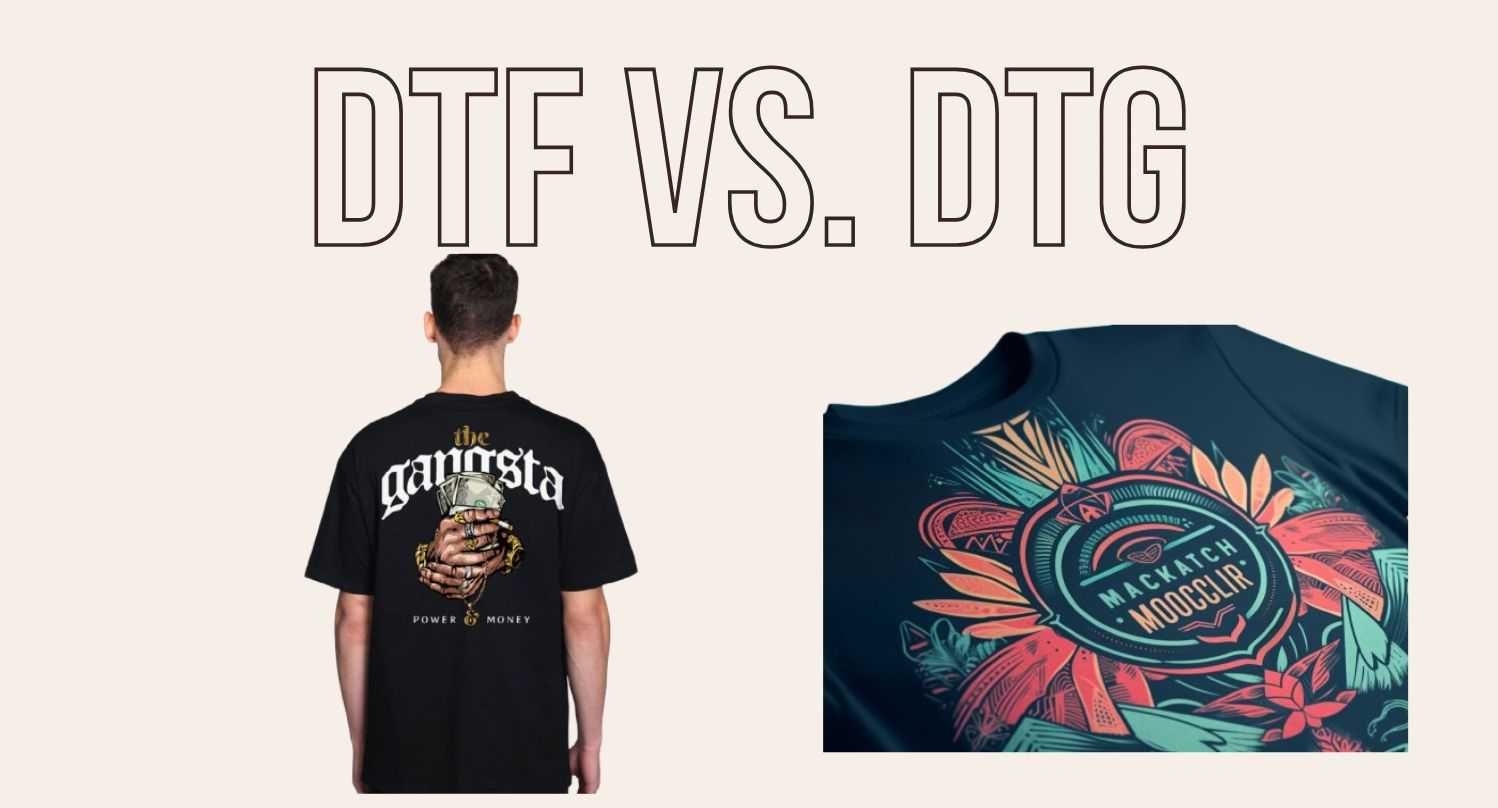
Direct-to-Film (DTF) printing is a versatile method where designs are printed onto a special film and transferred to t-shirts using heat. It works well on cotton, polyester, blends, and dark fabrics without pre-treatment.
How It Works: The design is printed on a film using specialized inks, coated with adhesive powder, heat-cured, and then pressed to the shirt with a heat press.
Pros:
-
Durable, flexible prints with vibrant colors
-
Suitable for small to medium runs
Cons:
-
Requires a heat press
-
Slightly thicker feel than DTG
Best Use Cases: Custom apparel, small business merchandise, and multi-fabric designs.
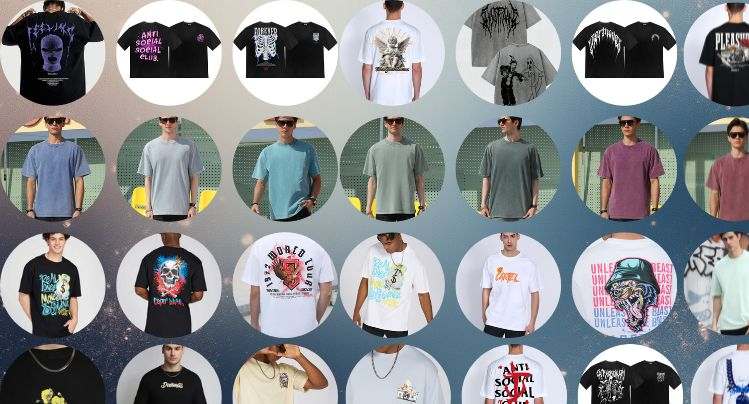
Explore LOGEQI Personalized DTF Printing Streetwear T-shirts
4. HTV Printing
Heat Transfer Vinyl (HTV) involves cutting designs from colored vinyl and heat-pressing them onto t-shirts. It’s best for bold, simple elements like logos, names, and numbers.
How It Works: Designs are cut from vinyl, weeded to remove excess material, and heat-pressed onto the shirt.
Fabric Compatibility: Works on cotton, polyester, and blends and almost any fabric.
Pros:
-
Clean, bold, and durable results
Cons:
-
Not suitable for complex images or photos
-
Multi-color designs require more time
-
Heavier feel compared to printed methods
Best Use Cases: Sports jerseys, team uniforms, personalized t-shirts, and minimalist designs.
5. Specialty Heat Transfer Printing

Source: LOGEQI Personalized Specialty Heat Transfer T-Shirt for Men
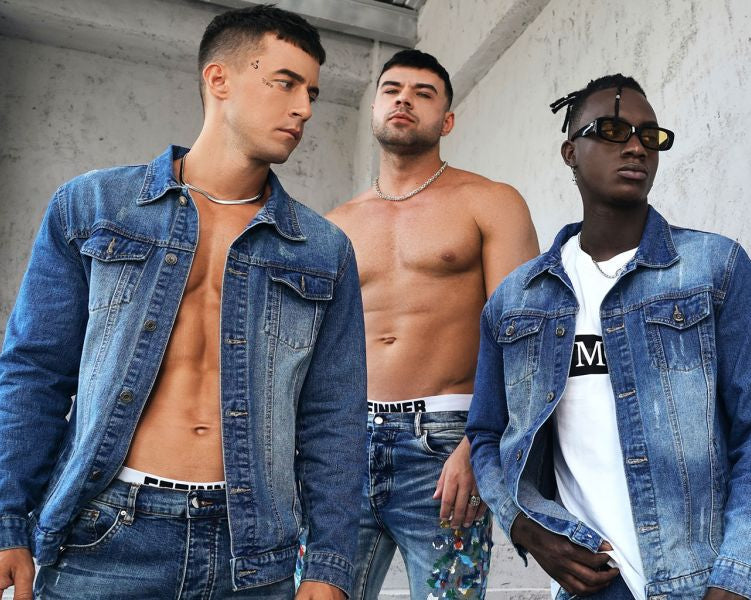
Specialty heat transfer uses materials like glitter, foil, metallic, or reflective films to create eye-catching designs. This method is ideal for adding unique textures and fashionable, limited-edition effects to t-shirts.
How It Works: Specialty films are cut to the design and heat-pressed onto the shirt using specific temperature and pressure settings.
Fabric Compatibility: Works on cotton, polyester, blends, and more.
Pros:
-
Adds unique textures and visual effects
-
Can make designs pop with metallic, glitter, or neon finishes
Cons:
-
Less durable than screen printing or DTG
-
Requires precise heat-press settings and careful handling
Best Use Cases: Fashion-forward apparel, promotional t-shirts, and limited-edition designs.
6. Rhinstone Heat Transfer Printing

Source: LOGEQI Personalized Rhinestone Men’s T-Shirts
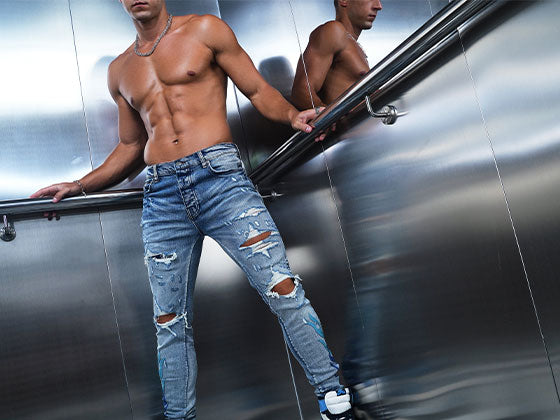
Rhinestone heat transfer uses small crystals or studs arranged in patterns and heat-pressed onto t-shirts to create a sparkling effect. This style is currently fashion-forward in streetwear and custom event apparel, with growing demand for statement and personalized designs.
How It Works: Rhinestones are pre-arranged on transfer sheets and secured onto the shirt using a heat press.
Fabric Compatibility: Works on cotton, blends, and polyester.
Pros:
-
Adds sparkle and luxury to designs
-
Perfect for standout custom designs
Cons:
-
Labor-intensive and slower than other methods
-
Not suitable for high-volume production
-
Requires careful washing to maintain stones
Best Use Cases: Dancewear, bachelorette or event shirts, custom fashion t-shirts.
7. Embroidery
Embroidery stitches designs directly into the fabric using thread, creating a textured, premium look. It works well on most fabrics, including cotton and blends.
How It Works: Designs are digitized and stitched onto the t-shirt using embroidery machines and colored threads.
Pros:
-
Extremely durable and long-lasting
-
Premium, high-quality appearance
Cons:
-
Not suitable for very intricate or photographic designs
-
Higher cost and longer production time
-
Raised texture may feel stiff on thin fabrics
Best Use Cases: Corporate apparel, uniforms, logos, hats, and premium t-shirts.
8. Sublimation Printing: Vibrant and Permanent for Polyester
Sublimation printing is a specialized method specifically for polyester fabrics where the ink becomes part of the material instead of sitting on top.
How It Works: Solid dye is turned into gas under heat and pressure, allowing it to bond permanently with polyester fabric or coated surfaces.
Pros:
-
Bright, vibrant full-color designs
-
Permanent designs that’re long-lasting, fade-resistant and peel-resistant
-
Smooth, soft feel
Cons:
-
Only works on polyester or polymer-coated fabrics.
-
Best on white or light-colored T-shirts
-
Needs a heat press and sublimation ink/paper
Best Use Cases: Sportswear, activewear, promotional items, and polyester t-shirts with full-color designs.
Choosing the Best Method for Your Needs
Here’s a quick comparison to help you decide:
|
Printing Method |
Best Fabric Types |
Best For Order Size |
Design Complexity |
Durability |
Print Feel |
Typical Cost per Shirt |
Typical Use Cases |
|
Screen Printing |
Cotton, cotton blends |
Large runs (50+) |
Simple to medium designs |
⭐⭐⭐⭐⭐ |
Slightly raised, smooth, ink layer feel |
$2–$5 (large runs) |
Bulk orders, promotions, team apparel |
|
DTG Printing |
Cotton |
Small to medium |
Highly detailed, full-color |
⭐⭐⭐⭐ |
Very soft |
$6–$12 |
Custom one-offs, e-commerce, photos |
|
DTF Printing |
Cotton, polyester, blends, dark fabrics |
Small to medium |
Detailed, multi-color |
⭐⭐⭐⭐ |
Thin but noticeable, slightly rubbery |
$4–$8 |
Streetwear, mixed fabrics, dark shirts |
|
HTV Printing |
Cotton, polyester, blends |
Small runs |
Simple logos, text |
⭐⭐⭐⭐ |
Thick, plastic-like, raised |
$3–$6 |
Sports jerseys, names, numbers |
|
Specialty Heat Transfer Printing |
cotton, polyester, blends, and more |
Small runs |
Simple to medium |
⭐⭐⭐ |
Varies (metallic, puff, glossy, textured) |
$5–$10 |
Fashion pieces, limited editions |
|
Rhinestone Heat Transfer Printing |
Cotton, blends, polyester |
Very small runs |
Simple, decorative designs |
⭐⭐⭐ |
Hard, raised, jeweled texture |
$8–$15 |
Event wear, dancewear, statement tees |
|
Embroidery |
Cotton, blends |
Small to medium |
Simple logos, text |
⭐⭐⭐⭐⭐ |
Textured, stitched, premium feel |
$5–$12 |
Corporate apparel, premium branding |
|
Sublimation Printing |
Polyester only |
Small to medium |
Full-color, detailed |
⭐⭐⭐⭐⭐ |
No feel at all |
$4–$7 |
Sportswear, activewear, promo tees |
The Bottom Line: The Best Method for Printing T-Shirts
-
Large bulk orders with bold, solid designs → Screen Printing
-
Highly detailed or full-color designs / single shirts → DTG or DTF Printing
-
Personalized or small-run designs with special effects → HTV & Specialty Heat Transfers
-
Premium, long-lasting look → Embroidery
-
Polyester shirts & vibrant all-over designs → Sublimation Printing
Final Thoughts
From screen printing for large bulk orders to DTG and DTF for detailed custom designs, each method serves a unique purpose. Specialty heat transfers, rhinestones, and embroidery add premium or fashion-forward T-shirts, while sublimation delivers unbeatable results on polyester.
So far, you’ve learned these printing methods, you can confidently select the right option to create high-quality, long-lasting personalized t-shirts that suit your needs, whether for business, events, or everyday streetwear.
Discover LOGEQI’s personalized men’s streetwear T-shirts with free ready-to-print designs at LOGEQI.COM!