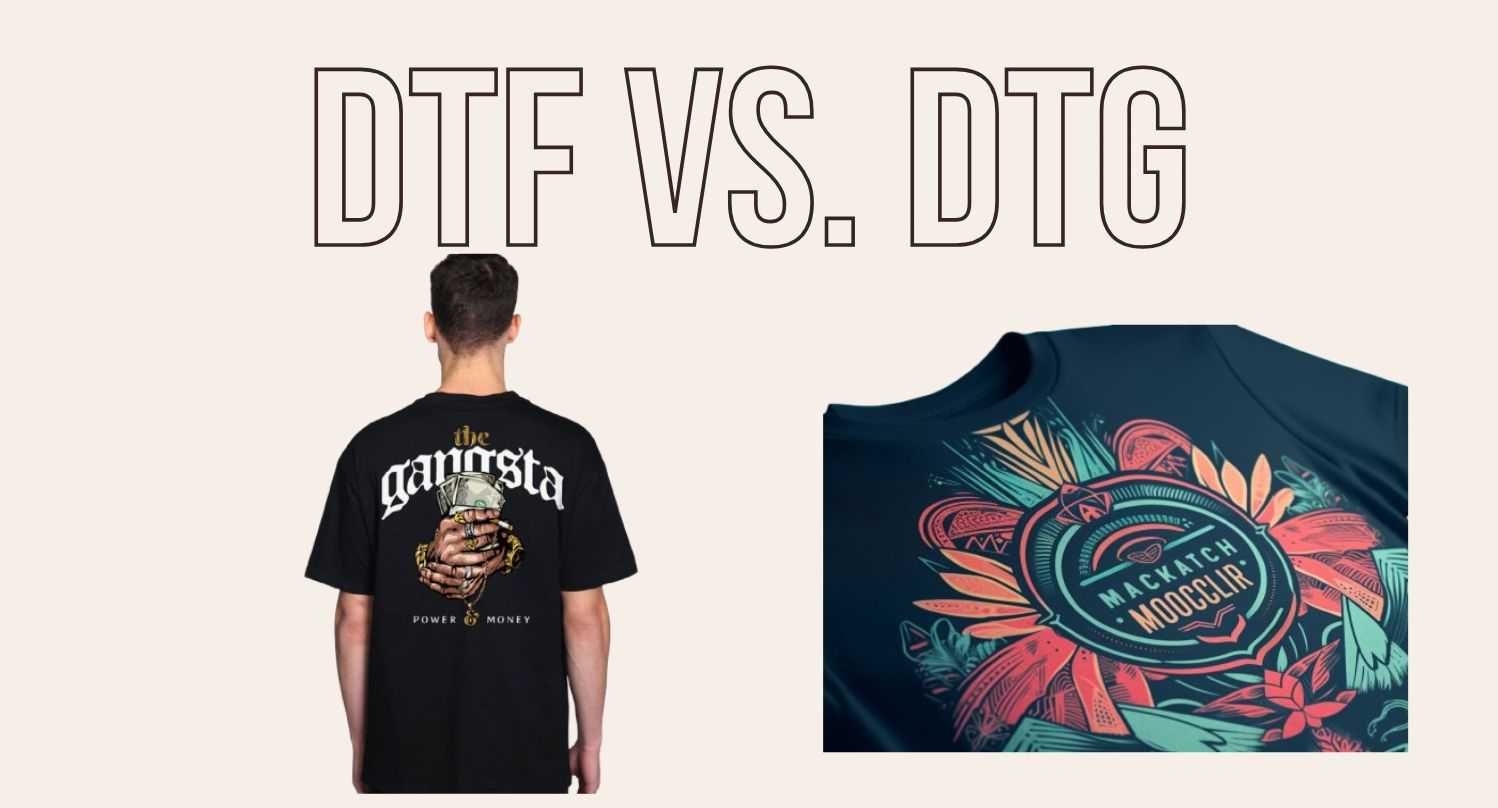


Si buscas destacar con tu ropa, nada supera a una camiseta con impresión personalizada. Ya seas dueño de una pequeña empresa, diseñador gráfico, una organización sin fines de lucro o simplemente un amante de la moda DIY, conocer el mejor método para imprimir camisetas puede marcar una gran diferencia en calidad, durabilidad y costo.
En este blog, lo guiaremos a través de todos los métodos populares de impresión de camisetas , incluida la serigrafía, la impresión DTF, la impresión HTV, la impresión por transferencia térmica de diamantes de imitación y más, analizaremos sus ventajas y desventajas, explicaremos cómo funcionan y lo ayudaremos a determinar la mejor opción para su proyecto o necesidades.
¡Vamos a sumergirnos en el blog!
Conceptos básicos de la impresión de camisetas

Antes de sumergirnos en los métodos de impresión, cubramos algunos conceptos básicos.
-
Los tejidos importan: El algodón es ideal para la mayoría de los métodos de impresión, especialmente la serigrafía y la impresión directa a máquina (DTG). El poliéster es perfecto para la sublimación, pero no funciona bien con la impresión tradicional con tinta. Las mezclas (como la mezcla 50/50 de algodón y poliéster) pueden funcionar con varios métodos, pero afectan la intensidad.
-
Complejidad del diseño: Algunos métodos manejan diseños intrincados y multicolores mejor que otros.
-
Cantidad: ¿Imprimes una sola camiseta para ti o 500 para un evento promocional? El volumen influye en el método que elijas.
-
Presupuesto: Algunos métodos requieren equipos costosos, pero son rentables si se venden al por mayor; otros son perfectos para tiradas pequeñas, pero son costosos por camiseta.
Los 8 mejores métodos de impresión de camisetas
1. Serigrafía: la opción clásica
La serigrafía es uno de los métodos de impresión de camisetas más tradicionales y utilizados. Crea colores vibrantes y llamativos, así como diseños definidos, al aplicar la tinta a través de una plantilla de malla sobre la tela. Conocidas por su excelente durabilidad, las camisetas serigrafiadas resisten lavados frecuentes sin decolorarse ni agrietarse.
Si bien la configuración lleva más tiempo, este método es el más adecuado para pedidos al por mayor y diseños con colores sólidos.
Cómo funciona: La tinta se proyecta a través de una malla sobre la tela, con áreas bloqueadas que forman el diseño. Cada color requiere una malla independiente, y la tinta se cura o seca para que sea permanente.
Compatibilidad de telas: Mejor en 100% algodón y mezclas de algodón.
Ventajas:
-
De larga duración y muy resistente.
-
Excelente para diseños atrevidos y brillantes.
-
Rentable para pedidos al por mayor (más de 50 camisetas)
Contras:
-
No es ideal para tiradas pequeñas debido a los costos de instalación.
-
Limitado para diseños multicolor y muy detallados.
-
Tiempo de preparación más largo que algunos métodos modernos
Mejores casos de uso: pedidos al por mayor, eventos promocionales, equipos deportivos y productos con logotipos.
2. Impresión directa sobre prenda (DTG): la revolución digital
La impresión directa a prenda (DTG) es un método digital que imprime diseños directamente en camisetas, de forma similar a una impresora de inyección de tinta. Es ideal para diseños a todo color y con gran detalle, incluyendo fotos y degradados. La DTG es ideal para pedidos pequeños o bajo demanda, ya que no requiere pantallas ni configuración.
Cómo funciona: El diseño se rocía directamente sobre la camiseta con tintas textiles especializadas que penetran en las fibras. Tras la impresión, la prenda se cura con calor para fijar la tinta, lo que da como resultado un diseño suave, detallado y a todo color.
Compatibilidad de telas: Se recomienda su uso en tejidos 100 % algodón. Las mezclas se ven menos vibrantes, y el poliéster o las telas oscuras requieren pretratamiento.
Ventajas:
-
Excelente para diseños complejos, detallados y de calidad fotográfica.
-
No se requiere pedido mínimo
-
Sensación suave y tersa
Contras:
-
Mayor costo por camiseta para pedidos al por mayor en comparación con la serigrafía.
-
Menos duradero que la serigrafía al lavado a largo plazo.
Mejores casos de uso: Camisetas individuales personalizadas , productos de comercio electrónico, obras de arte muy detalladas e impresión bajo demanda.
3. Impresión DTF

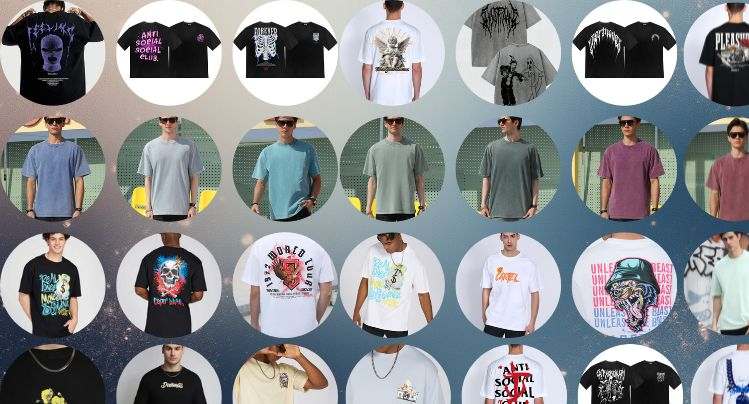
Fuente: Camisetas DTF personalizadas para hombre de LOGEQI
La impresión directa a película (DTF) es un método versátil que consiste en imprimir los diseños sobre una película especial y transferirlos a camisetas mediante calor. Funciona bien en algodón, poliéster, mezclas y telas oscuras sin necesidad de pretratamiento.
Cómo funciona: El diseño se imprime en una película con tintas especializadas, se recubre con polvo adhesivo, se cura con calor y luego se presiona sobre la camiseta con una prensa térmica.
Ventajas:
-
Impresiones duraderas y flexibles con colores vibrantes.
-
Adecuado para tiradas pequeñas y medianas.
Contras:
-
Requiere una prensa de calor
-
Sensación ligeramente más gruesa que DTG
Mejores casos de uso: ropa personalizada , productos para pequeñas empresas y diseños de múltiples tejidos.
Explora las camisetas urbanas con impresión DTF personalizada de LOGEQI
4. Impresión HTV
El vinilo de transferencia térmica (HTV) consiste en cortar diseños de vinilo de color y prensarlos con calor sobre camisetas. Es ideal para elementos llamativos y sencillos como logotipos, nombres y números.
Cómo funciona: Los diseños se cortan en vinilo, se les quita el exceso de material y se prensan con calor sobre la camiseta.
Compatibilidad de telas: Funciona en algodón, poliéster, mezclas y casi cualquier tela.
Ventajas:
-
Resultados limpios, audaces y duraderos.
Contras:
-
No apto para imágenes o fotografías complejas.
-
Los diseños multicolores requieren más tiempo.
-
Sensación más pesada en comparación con los métodos impresos.
Mejores casos de uso: Camisetas deportivas, uniformes de equipo, camisetas personalizadas y diseños minimalistas.
5. Impresión por transferencia térmica especializada

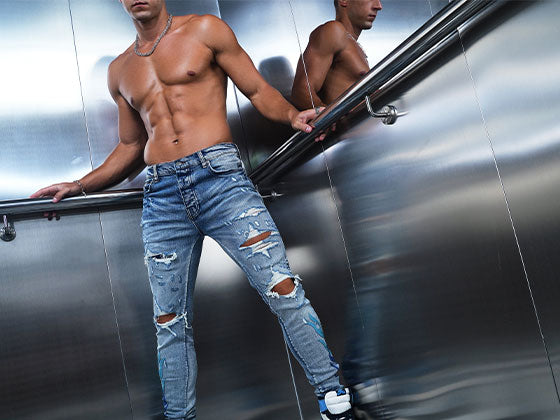
Fuente: Camiseta personalizada con transferencia de calor especial LOGEQI para hombre
La transferencia térmica especializada utiliza materiales como purpurina, láminas metálicas o películas reflectantes para crear diseños llamativos. Este método es ideal para añadir texturas únicas y efectos de edición limitada a la moda en camisetas.
Cómo funciona: Se cortan películas especiales según el diseño y se prensan con calor sobre la camiseta utilizando configuraciones específicas de temperatura y presión.
Compatibilidad de telas: Funciona con algodón, poliéster, mezclas y más.
Ventajas:
-
Agrega texturas y efectos visuales únicos.
-
Puede hacer que los diseños resalten con acabados metálicos, brillantes o neón.
Contras:
-
Menos duradera que la serigrafía o DTG
-
Requiere ajustes precisos de prensa de calor y un manejo cuidadoso.
Mejores casos de uso: ropa de moda, camisetas promocionales y diseños de edición limitada.
6. Impresión por transferencia térmica de diamantes de imitación

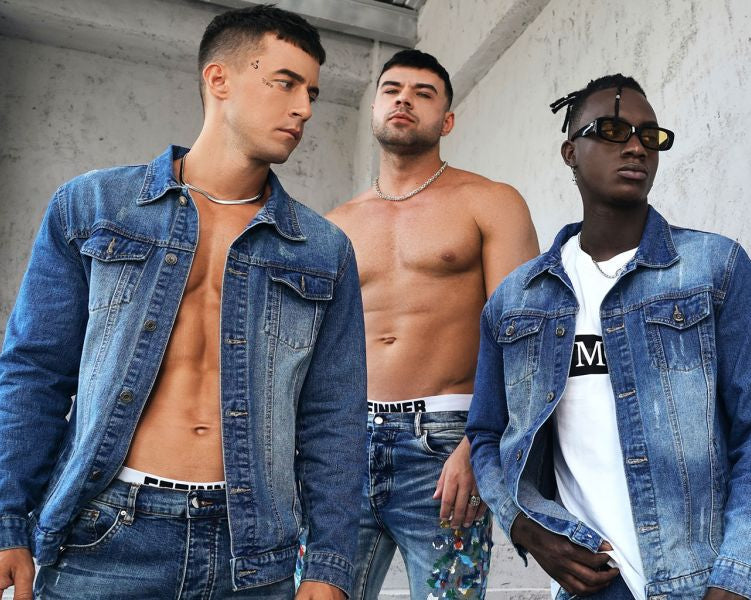
Fuente: LOGEQI Camisetas personalizadas con diamantes de imitación para hombre
La transferencia térmica de diamantes de imitación utiliza pequeños cristales o tachuelas dispuestas en patrones y prensadas con calor sobre camisetas para crear un efecto brillante. Este estilo está muy de moda en ropa urbana y ropa personalizada para eventos, con una creciente demanda de diseños llamativos y personalizados.
Cómo funciona: Los diamantes de imitación se colocan previamente en hojas de transferencia y se fijan a la camiseta mediante una prensa térmica.
Compatibilidad de telas: Funciona con algodón, mezclas y poliéster.
Ventajas:
-
Añade brillo y lujo a los diseños.
-
Perfecto para diseños personalizados destacados.
Contras:
-
Requiere mucha mano de obra y es más lento que otros métodos.
-
No apto para producción de gran volumen.
-
Requiere un lavado cuidadoso para mantener las piedras.
Mejores casos de uso: Ropa de baile, camisetas de despedida de soltera o de evento, Camisetas de moda personalizadas .
7. Bordado
El bordado cose diseños directamente en la tela con hilo, creando un aspecto texturizado de alta calidad. Funciona bien en la mayoría de las telas, incluyendo algodón y mezclas.
Cómo funciona: Los diseños se digitalizan y se cosen en la camiseta utilizando máquinas de bordar e hilos de colores.
Ventajas:
-
Extremadamente duradero y de larga duración.
-
Apariencia premium y de alta calidad
Contras:
-
No apto para diseños muy intrincados o fotográficos.
-
Mayor costo y mayor tiempo de producción
-
La textura en relieve puede resultar rígida en telas finas.
Mejores casos de uso: Ropa corporativa, uniformes, logotipos, gorras y camisetas premium .
8. Impresión por sublimación: vibrante y permanente para poliéster
La impresión por sublimación es un método especializado específicamente para telas de poliéster, donde la tinta se convierte en parte del material en lugar de permanecer en la superficie.
Cómo funciona: El tinte sólido se convierte en gas bajo calor y presión, lo que le permite adherirse permanentemente a la tela de poliéster o a superficies revestidas.
Ventajas:
-
Diseños brillantes y vibrantes a todo color.
-
Diseños permanentes que son duraderos, resistentes a la decoloración y al desprendimiento.
-
Sensación suave y suave
Contras:
-
Sólo funciona en tejidos recubiertos de poliéster o polímero.
-
Mejor en camisetas blancas o de colores claros.
-
Necesita una prensa térmica y tinta/papel de sublimación.
Mejores casos de uso: ropa deportiva, ropa deportiva, artículos promocionales y camisetas de poliéster con diseños a todo color.
Elegir el mejor método para sus necesidades
He aquí una comparación rápida para ayudarle a decidir:
|
Método de impresión |
Los mejores tipos de tela |
Ideal para el tamaño del pedido |
Complejidad del diseño |
Durabilidad |
Sensación de impresión |
Costo típico por camisa |
Casos de uso típicos |
|
Serigrafía |
Algodón, mezclas de algodón |
Grandes tiradas (50+) |
Diseños simples a medianos |
⭐⭐⭐⭐⭐ |
Sensación de capa de tinta ligeramente elevada y suave. |
$2–$5 (tiradas grandes) |
Pedidos al por mayor, promociones, ropa de equipo. |
|
Impresión DTG |
Algodón |
Pequeño a mediano |
Altamente detallado y a todo color. |
⭐⭐⭐⭐ |
Muy suave |
$6–$12 |
Piezas únicas personalizadas, comercio electrónico, fotografías |
|
Impresión DTF |
Algodón, poliéster, mezclas, tejidos oscuros. |
Pequeño a mediano |
Detallado, multicolor |
⭐⭐⭐⭐ |
Delgado pero perceptible, ligeramente gomoso. |
$4–$8 |
Ropa de calle, tejidos mixtos, camisas oscuras. |
|
Impresión HTV |
Algodón, poliéster, mezclas |
Tiradas pequeñas |
Logotipos y textos sencillos |
⭐⭐⭐⭐ |
Grueso, parecido al plástico, elevado. |
$3–$6 |
Camisetas deportivas, nombres, números |
|
Impresión por transferencia térmica especializada |
algodón, poliéster, mezclas y más |
Tiradas pequeñas |
Simple a medio |
⭐⭐⭐ |
Varía (metálico, abullonado, brillante, texturizado) |
$5–$10 |
Piezas de moda, ediciones limitadas |
|
Impresión por transferencia térmica de diamantes de imitación |
Algodón, mezclas, poliéster |
Tiradas muy pequeñas |
Diseños simples y decorativos. |
⭐⭐⭐ |
Textura dura, elevada y enjoyada. |
$8–$15 |
Ropa para eventos, ropa de baile, camisetas llamativas |
|
Bordado |
Algodón, mezclas |
Pequeño a mediano |
Logotipos y textos sencillos |
⭐⭐⭐⭐⭐ |
Texturizado, cosido, tacto premium. |
$5–$12 |
Ropa corporativa, marca premium |
|
Impresión por sublimación |
Sólo poliéster |
Pequeño a mediano |
A todo color, detallado |
⭐⭐⭐⭐⭐ |
No siento nada en absoluto |
$4–$7 |
Ropa deportiva, ropa deportiva, camisetas promocionales |
En resumen: el mejor método para imprimir camisetas
-
Pedidos grandes al por mayor con diseños llamativos y sólidos → Serigrafía
-
Diseños muy detallados o a todo color / camisetas individuales → Impresión DTG o DTF
-
Personalizado o diseños de tiradas pequeñas con efectos especiales → HTV y transferencias térmicas especiales
-
Aspecto premium y duradero → Bordado
-
Camisetas de poliéster y diseños vibrantes por todas partes → Impresión por sublimación
Reflexiones finales
Desde la serigrafía para grandes pedidos hasta la impresión digital directa (DTG) y la impresión digital directa (DTF) para diseños personalizados y detallados, cada método tiene una función única. Las transferencias térmicas especiales, la pedrería y el bordado realzan el estilo de las camisetas, mientras que la sublimación ofrece resultados inigualables en poliéster.
Hasta ahora que ha aprendido estos métodos de impresión, puede seleccionar con confianza la opción correcta para crear camisetas personalizadas de alta calidad y duraderas que se adapten a sus necesidades, ya sea para negocios, eventos o ropa urbana diaria.
Descubrir Camisetas de calle personalizadas para hombre de LOGEQI con diseños gratuitos listos para imprimir en LOGEQI.COM !